
When Will We Ever Learn
Or, echoes of the past as heard today

Exploring my family history has taken us to southern Ohio, where we are immersing ourselves in the history of the Underground Railroad. On the way, we’ve visited Harpers Ferry in West Virginia, the town of Mt Pleasant, Ohio, the National Underground Railroad Freedom Center in Cincinnati, and the house of John Rankin, in Ripley, where he helped many on their way to freedom. From the early 1800s up until the start of the Civil War, many Ohio Abolitionists helped freedom seekers from Kentucky and further south on their path to Freedom.
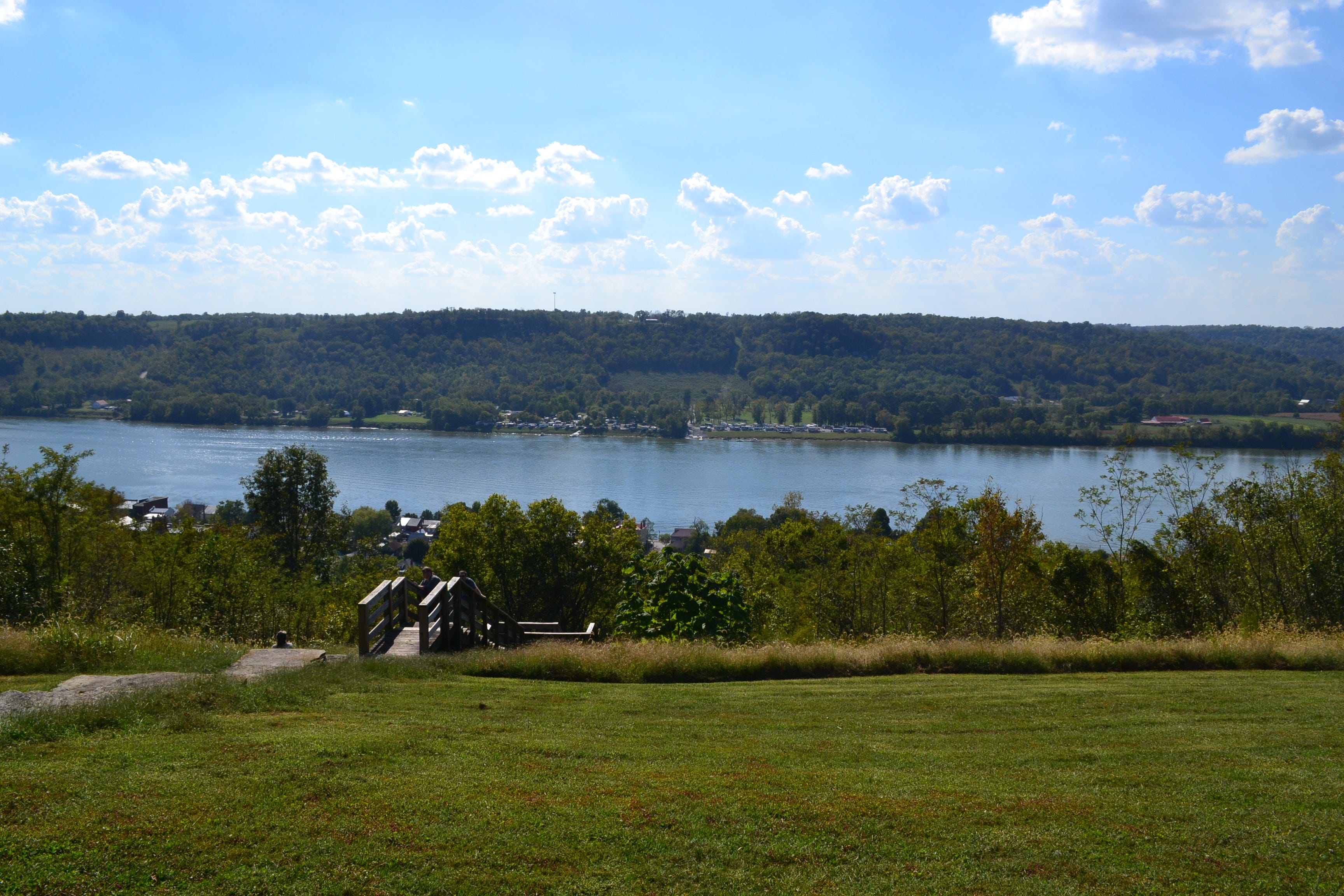
The picture below was taken at the John Rankin house, looking across to Kentucky. Even today it looks like it would be easy to cross the river by swimming or by small boat. In Rankin’s day, the river was not as wide, and was only twelve feet deep at most. In dry weather, one could walk, rather swim, across the river. This ease of transit made it a popular crossing spot.
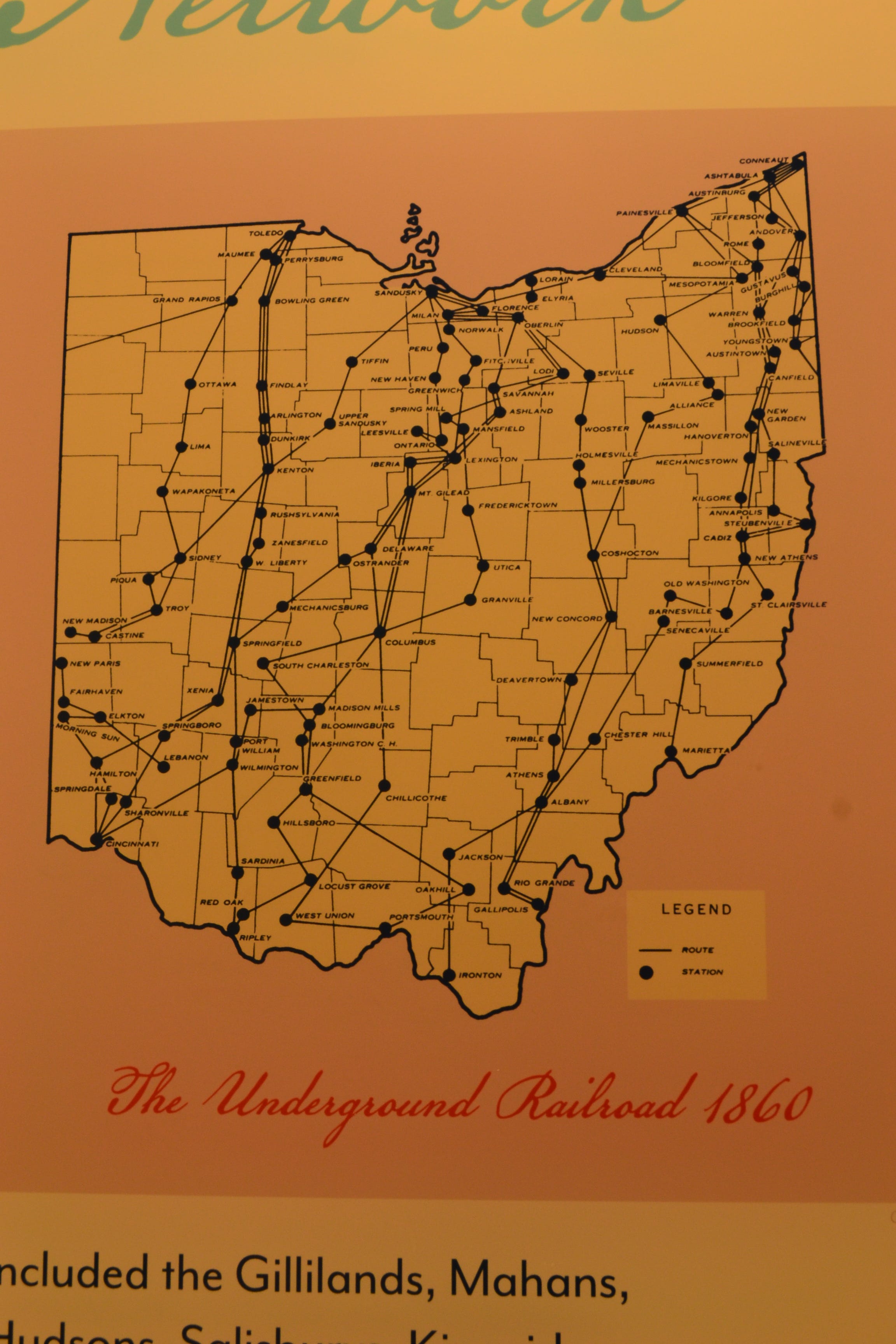
Family legend says that Horton Howard was involved in the Underground Railroad. There is no proof of that, though it is known that his friend and business associate, Thomas Rotch had a successful waystation on the Underground Railroad. Horton travelled into the south often, coming home through Cincinnati or other towns along the Ohio River. It is plausible to think he could have been a conductor, bringing people across the Ohio River or escorting them from southern Ohio to towns that were nearer to freedom in Canada.There was an intricate network of way stations and many conductors on the Underground Railroad, as shown in this map from the Rankin House.
The southern states objected to the help provided to freedom seekers and pushed for laws that protected their financial interest in the people they claimed to ‘own.’ The Fugitive Slave Act of 1793 gave “slaveowners and their agents…the legal right to ‘seize or arrest’ their slaves in free states, without a warrant and without the presence of a civil official. All the slaveholder needed to do was to take the captured slave to a nearby circuit judge or the magistrate of a county, city, or town in which the seizure was made, and prove to the satisfaction of the judge, by either oral testimony or affidavit, that the slave belonged to the slaveholder. The black man or woman had no right to testify on his or her own behalf, and the word of the white man was automatically accepted. This skewed system allowed the slavecatchers to pick up freed black men and women, claim they were slaves, and transport them across the river for sale into slavery. Worse still, the new law warned that obstructing a slave catcher in the act of apprehending a fugitive, no matter how violent and savage that act might be, and harboring or concealing a fugitive on the path to freedom, no matter how humane or justified that helping hand might be, were no illegal acts.”
Today, we read the news about ICE agents violently targeting an entire apartment building - with no regard for whether they’re detaining undocumented immigrants or US citizens. We are horrified by the violence used against immigrants, against those filming the acts of the ICE agents, and against citizens who, mostly because of their skin color, are mistaken for undocumented immigrants. There is often no pretence of taking them before a judge, at least not until after they’ve been detained for many days or weeks. We also see financial incentives offered to those who join the ranks of ICE agents, just as there were bounties paid to slave catchers.
History has looked more favorably on those who risked their own lives and property to help freedom seekers than it has on those who used violence to return the freedom seekers to enforced servitude and punishment. History is not likely to look kindly on those who’ve used violence against immigrants, and detained people without any due process. How will history consider the legislators who’ve stood by allowing this to happen? I doubt they’ll be considered patriotic heroes. Many who work to achieve more justice, freedom, and opportunity for all are likely to be considered heroes.
Now is a time to remember the words of American civil rights leader, John Lewis, “Ours is not the struggle of one day, one week, or one year. Ours is the struggle of a lifetime, or maybe even many lifetimes, and each one of us in every generation must do our part.”
Amazing how looking into one's genealogy can be so educational.
Makes me want to re-read Uncle Tom's cabin.
It is my pleasure to be your gopher/chauffeur on this voyage.